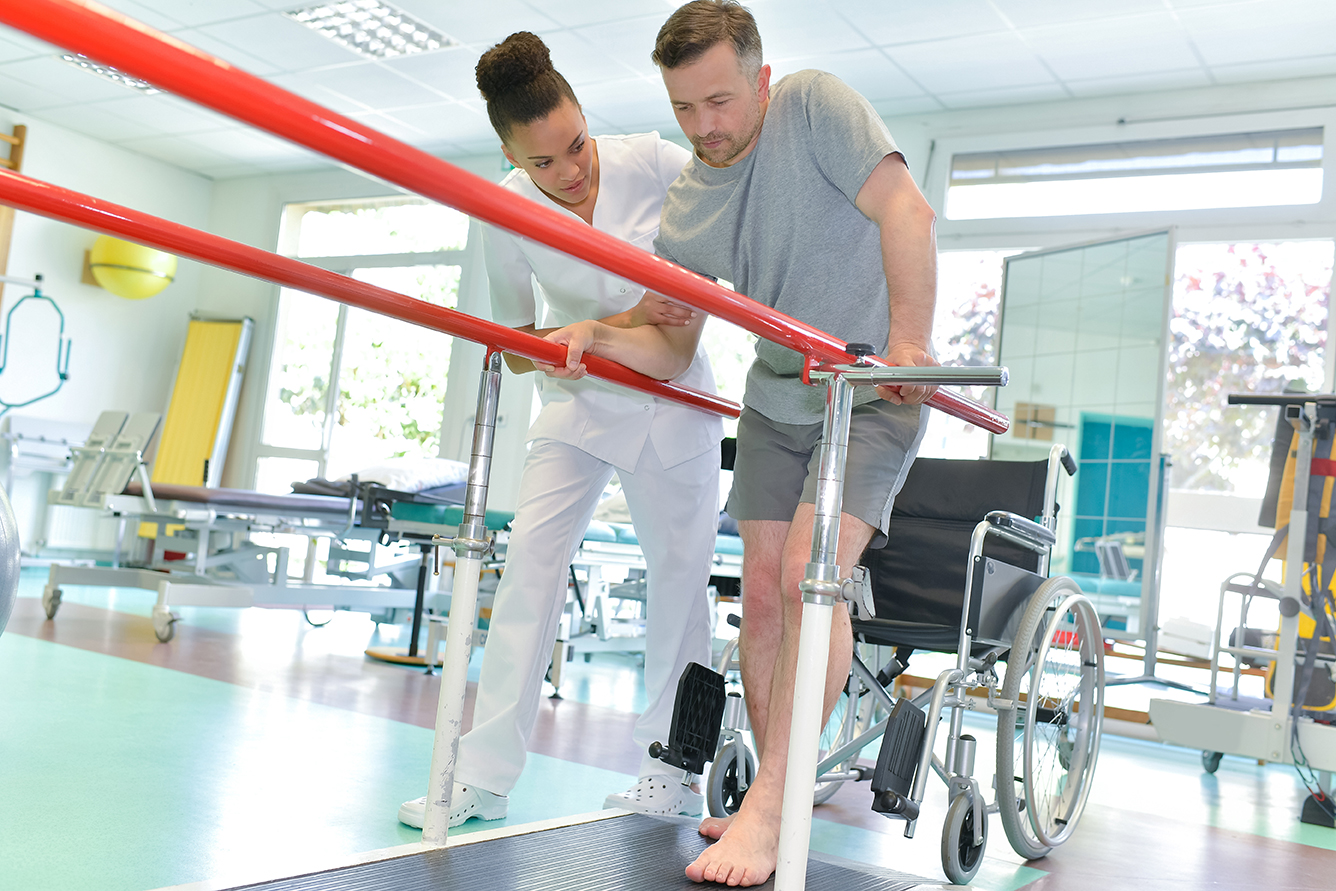
Neurological Rehabilitation
Neurological rehabilitation – an opportunity for those affected and their families
Neurological diseases can affect everyone – regardless of age, gender, previous illnesses, etc.
Neurological rehabilitation supports people with nervous system disorders. After patients were mostly treated as inpatients due to acute symptoms or causes of illness, neurological rehabilitation works towards remedying or alleviating neurological failures or consequential damage, restoring independence and increasing the quality of life of the rehabilitants.
Reasons for the acute functional failures or neurological causes include:
- Strokes
- Bleeding in the brain
- Traumatic brain injury
- Muscle disorders
- Cerebral Palsy (CP) and other
Consequential damage usually leads to the loss of the following skills:
- the ability to move
- to eat and drink,
- dress and undress,
- to wash and use the toilet,
- to speak or understand language
- to orientate yourself in space
Why Neurological rehabilitation?
Neurological rehabilitation helps to solve these problems by using targeted and multimodal therapies to stimulate the nervous system and make it easier for patients to re-enter everyday life. The sooner rehabilitation begins, the better the chances are that the symptoms will subside in the long term.
In the case of chronic illnesses, neurological rehabilitation can also lead to functional improvements that significantly increase your mobility, independence, quality of life and participation.
Our neurological rehabilitation is characterized by the following services:
• Physio therapy,
• Specialised Occupational therapy,
• Acupuncture
• Sports therapy and medical training therapy,
• Physical therapy with massages, cold or heat applications,
• Electro therapy,
• Mirror therapy,
• Intensive gait and balance training,
• Rehabilitation aftercare.
The primary and at the same time general goal is the improvement of exercise and posture possibilities and more quality of life in everyday life. Depending on the degree of your restrictions, your complaints can be minimized to a great extent, or your quality of life can be improved despite your complaints, so that you regain your autonomy and remain as long as possible.